
Manaslu Circuit Trek
Remote • Cultural • High-Altitude Adventure
Manaslu Circuit Trek Introduction
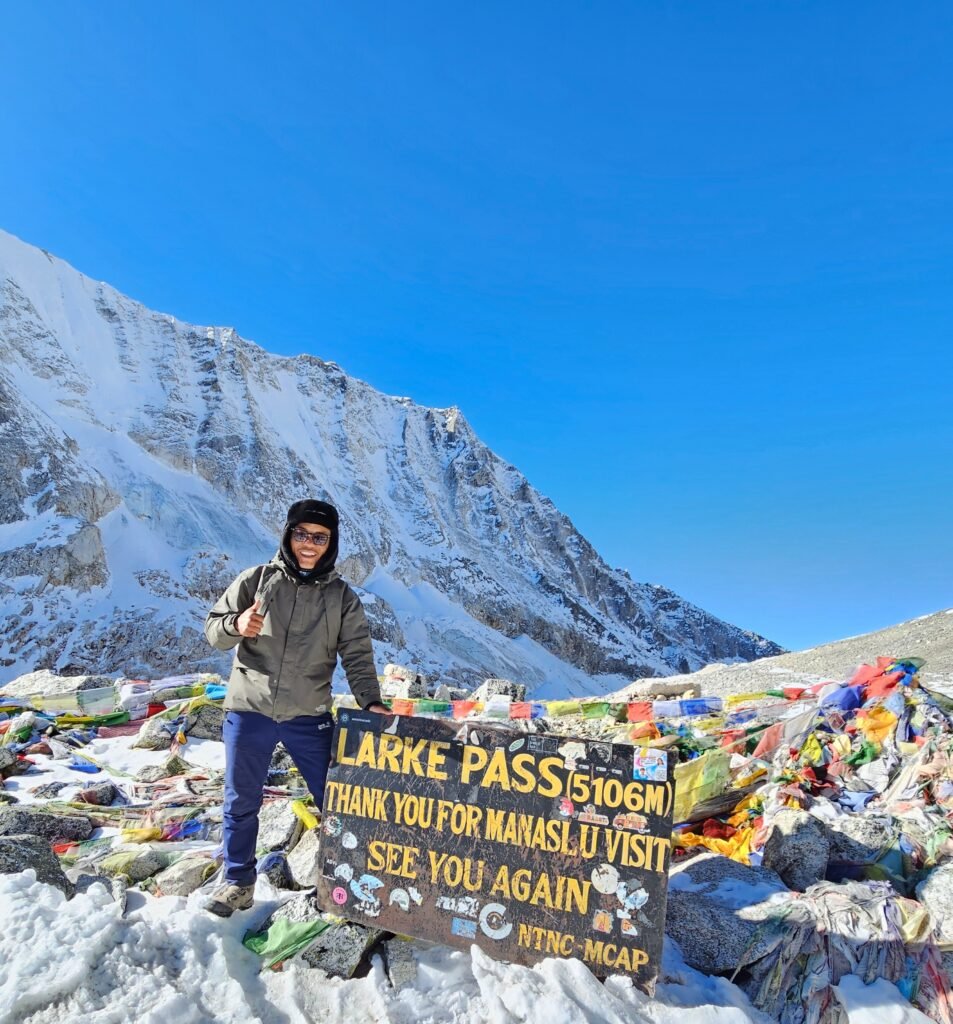
Imagine wandering along quiet Himalayan trails, surrounded by towering snow-capped peaks, immersing yourself in the traditions of remote Tibetan villages, and conquering the iconic Larke La Pass.
The Manaslu Circuit Trek is one of Nepal’s most breathtaking and less-crowded Himalayan adventures. Trek through scenic valleys, explore culturally rich Tibetan villages, and experience the thrill of crossing the Larke La Pass at 5,160 meters.
This guide provides everything you need to plan your trek , from a detailed day-by-day itinerary and estimated costs to essential permits, the best seasons to visit, and practical packing tips.
For more in-depth details, explore our supporting guides on Manaslu Trek Costs, Permits for Manaslu Trek, and the Packing List for Manaslu Circuit Trek.
Overview of the Manaslu Circuit Trek
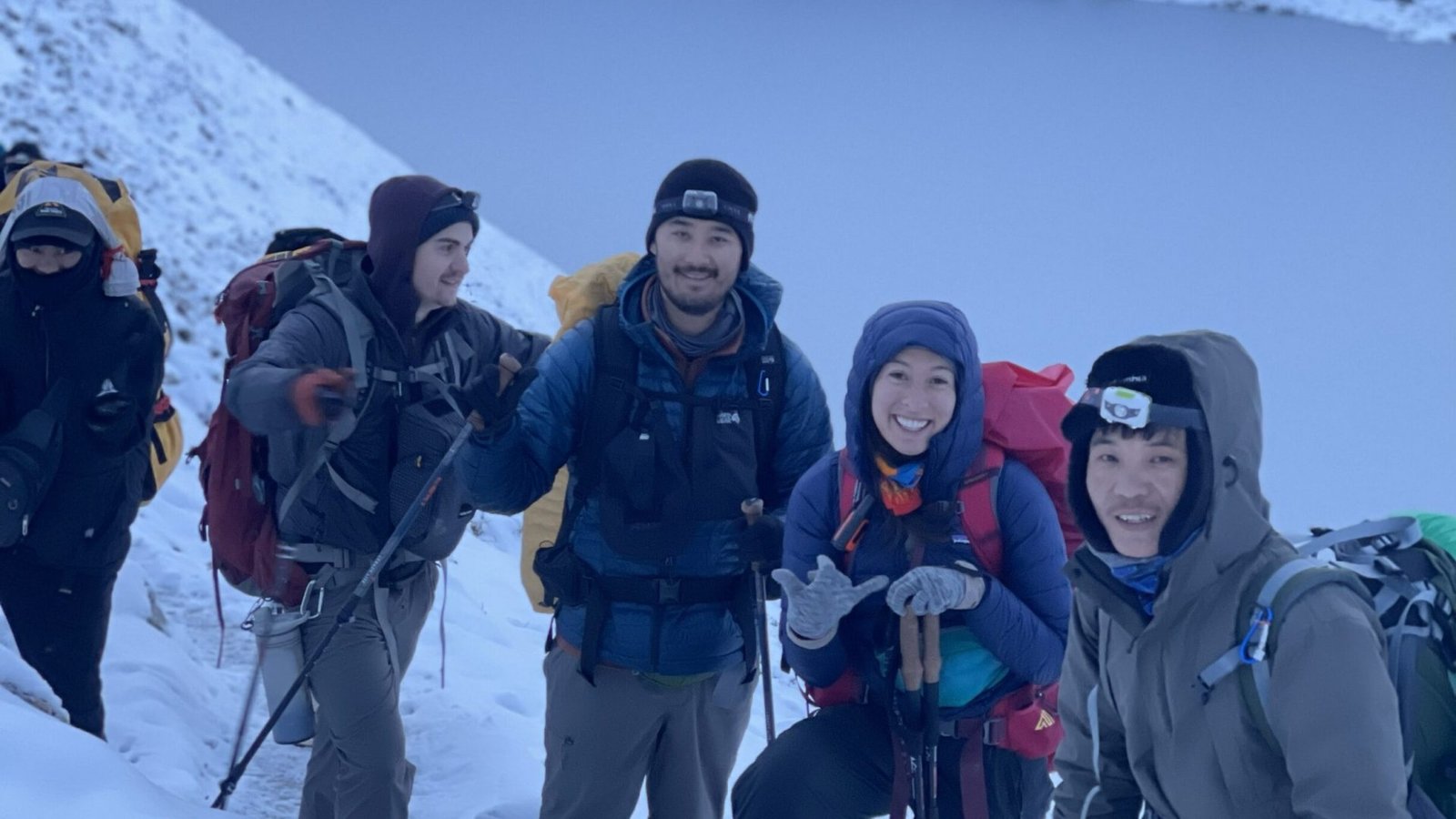
The Manaslu Circuit Trek takes you on an unforgettable journey through the remote and rugged regions of northern Nepal. Spanning around 177 km (110 miles), the trail winds through dense forests, sparkling rivers, and dramatic Himalayan landscapes, eventually leading to the famous Larke La Pass at 5,160 meters. Most trekkers complete the circuit in 14–16 days, allowing time for acclimatization and optional side hikes.
Along the way, you’ll encounter quaint Tibetan villages, colorful monasteries, and friendly locals who welcome visitors with warmth and tradition. Staying in teahouses each night, you get a glimpse of everyday mountain life while enjoying hearty local meals and breathtaking views from your window.
The trek is moderate to challenging, with long walking days and high-altitude sections, making it ideal for trekkers with good fitness and some prior trekking experience. But the effort is rewarded with serenity, cultural immersion, and scenery that few other treks in Nepal can match.
Quick Summary:
- Region: Northern Nepal, within the scenic Manaslu Conservation Area
- Total Distance: ~177 km / 110 miles, winding through forests, rivers, and high mountain terrain
- Max Altitude: 5,160 m at the iconic Larke La Pass
- Trek Duration: 14–16 days, including acclimatization and optional side hikes
- Difficulty: Moderate to challenging — long walking days and high-altitude sections
- Highlights: Remote villages, Tibetan culture, colorful monasteries, and breathtaking Himalayan vistas
- Accommodation: Cozy teahouses along the route, offering local meals and mountain views
Summary Table:
Max Altitude | Best Seasons | Trek Length | Required Permits | Accommodation Type | Cost Range |
5,160 m (Larke La Pass) | Autumn (Sept–Nov), Spring (Mar–May) | 177 km / 14–16 days | RAP, MCAP, ACAP | Teahouses with local meals | $1,100 – $1,700 |
Highlights of the Manaslu Circuit Trek
The Manaslu Circuit Trek is not just about reaching the Larke La Pass, it’s an adventure filled with breathtaking Himalayan scenery, rich Tibetan culture, and remote off-the-beaten-path experiences. Here are the top highlights that make this trek so special:
Stunning Himalayan Views
Trek through valleys and ridges that offer uninterrupted views of majestic peaks, including Manaslu (8,163 m), Himlung Himal, and Annapurna II. Sunrise and sunset over these snow-capped mountains create unforgettable moments, perfect for photography and quiet reflection.
Culturally Rich Villages
Along the trail, explore traditional Tibetan-influenced villages like Samagaun, Samdo, and Lho. You’ll see vibrant prayer flags, ancient monasteries, and local homes made of stone and wood, giving you an authentic glimpse into high-altitude Himalayan life.
Crossing Larke La Pass (5,160 m)
The Larke La Pass is the highest point of the trek and a major challenge for trekkers. Crossing it rewards you with panoramic views of towering peaks and the surrounding glaciers. Proper acclimatization ensures a safer and more enjoyable crossing.
Fewer Crowds than Everest & Annapurna
Unlike the Everest or Annapurna circuits, Manaslu offers a serene trekking experience. You can enjoy long stretches of trail without crowds, making the journey peaceful and immersive.
Remote Off-the-Beaten Terrain
The trek passes through untouched forests, rivers, and high-altitude meadows, offering a true sense of adventure. Wildlife sightings, including Himalayan birds and occasional musk deer, add to the thrill of exploring remote terrain.
Tibetan Monasteries and Spiritual Experiences
Visit ancient monasteries and chortens scattered along the trail. These spiritual sites, combined with local festivals or daily rituals, provide a unique cultural insight that enriches your trekking experience.
Manaslu Circuit Trek Itinerary 14 Days
Day 1: Drive from Kathmandu to Machhakhola (869m)
Trek Duration: 7–8 hours
Route Highlights: Trishuli River, Budhi Gandaki River, rural hill villages
Your Manaslu Circuit Trek begins with a scenic jeep drive from Kathmandu to Machhakhola, following the highways and rural roads toward western Nepal. Leaving the busy city behind, the journey quickly opens into green hills, rivers, and traditional villages.
The drive initially follows the Trishuli River before turning north toward the Budhi Gandaki valley.
Along the way, you will see terraced farmlands, suspension bridges, waterfalls, and local life in small roadside settlements. This day offers your first real glimpse into Nepal’s countryside.
Road conditions vary throughout the journey. Some sections are smooth, while others are rough and bumpy, especially closer to Machhakhola. Although the drive is long, the changing landscapes and river views make it an enjoyable introduction to the Manaslu region.
What to Expect on This Day
- A long but scenic drive through hills and river valleys
- Rural villages untouched by mass tourism
- Your first experience of the Budhi Gandaki valley landscape
Accommodation & Meals
You will stay overnight in a local tea house in Machhakhola. The accommodation is simple but comfortable, offering basic facilities needed for trekkers. Dinner is provided at the lodge, allowing you to rest and prepare for the first trekking day.
Day 2: Trek from Machhakhola to Jagat (1,340m)
Trek Duration: 5–6 hours
Trail Type: River valley trail with suspension bridges
Today marks the first trekking day of the Manaslu Circuit Trek. Leaving Machhakhola, the trail follows the Budhi Gandaki River through narrow gorges, stone paths, and lush green forests. The sound of flowing water and waterfalls stays with you throughout the day.
One of the highlights of today’s walk is the natural hot spring at Tatopani. Many trekkers stop here briefly to relax tired legs before continuing the ascent. The trail includes several suspension bridges and short uphill sections, making the day active but enjoyable.
As you approach Jagat, you officially enter the Manaslu Conservation Area. The village is beautifully stone-paved and serves as an important checkpoint for trekking permits. The surroundings begin to feel more remote and peaceful.
What to Expect on This Day
- Scenic walking along the Budhi Gandaki River
- Narrow gorges, waterfalls, and hanging bridges
- A mix of gradual climbs and gentle descents
Cultural Notes
Jagat and nearby settlements are mainly inhabited by Gurung communities. You will notice traditional stone houses, prayer flags, and small farms along the trail. Local people still rely heavily on agriculture, following a simple mountain lifestyle that has changed little over generations
Accommodation & Meals
Overnight stay will be at a tea house in Jagat. The village offers better facilities than lower villages, with warm meals and comfortable rooms for trekkers.
Day 3: Trek from Jagat to Deng
Trek Duration: 6–7 hours
Landscape Change: Subtropical forest → alpine transition
Leaving Jagat, the trail climbs gradually through stone-paved paths and terraced farmlands. Prayer flags, mani walls, and small monasteries become more frequent, showing the strong Buddhist influence in this region.
The walk passes through villages like Salleri and Philim, where you will see schools, monasteries, and well-organized settlements. Beyond Philim, the trail enters a quieter and more remote section with dense forests and fewer houses.
As you approach Deng, the valley narrows and the air feels cooler. This day introduces a noticeable altitude gain, so walking at a steady pace is important.
What to Expect on This Day
- Clear cultural shift toward Tibetan-influenced villages
- Longer walking hours with gradual climbs
- Increasing mountain atmosphere
Safety Note
Your permits are checked after Jagat. Walk slowly and drink water regularly to help your body adjust to altitude.
Accommodation & Meals
Lodging is modest but comfortable. Meals are dal bhat, thukpa (noodle soup), vegetable stew, bread, and tea or coffee. Geyser gas showers available in most lodges.
Day 4: Trek from Deng to Namrung (2,630m)
Trek Duration: 6–7 hours
Landscape Change: Alpine valley → Pine forests & stone villages, mountain views open up
Leaving Jagat, the trail climbs gradually through stone-paved paths and terraced farmlands. Prayer flags, mani walls, and small monasteries become more frequent, showing the strong Buddhist influence in this region.
The walk passes through villages like Salleri and Philim, where you will see schools, monasteries, and well-organized settlements. Beyond Philim, the trail enters a quieter and more remote section with dense forests and fewer houses.
As you approach Deng, the valley narrows and the air feels cooler. This day introduces a noticeable altitude gain, so walking at a steady pace is important.
What to Expect on This Day
- Clear cultural shift toward Tibetan-influenced villages
- Longer walking hours with gradual climbs
- Increasing mountain atmosphere
Safety Note
Your permits are checked after Jagat. Walk slowly and drink water regularly to help your body adjust to altitude.
Accommodation & Meals
Lodging is modest but comfortable. Meals are dal bhat, thukpa (noodle soup), vegetable stew, bread, and tea or coffee. No hot showers in most lodges.
Day 4: Trek from Deng to Namrung (2,630m)
Trek Duration: 6–7 hours
Landscape Change: Alpine valley → Pine forests & stone villages, mountain views open up
Today’s trail climbs steadily through forested paths, wooden bridges, and stone staircases. You cross the Budhi Gandaki several times, with dramatic views of waterfalls and steep valley walls.
As you gain altitude, vegetation changes and mountain views begin to open up. Mani walls and chortens line the trail, reflecting the deep-rooted Buddhist culture of the Manaslu region.
Namrung is a well-developed village with comfortable tea houses and excellent views of surrounding peaks.
What to Expect on This Day
- Forest trails mixed with stone steps
- Cooler temperatures, especially in the evening
- First strong feeling of high-mountain trekking
Accommodation & Meals
Tea houses provide hot showers via geyser, Wi-Fi in some lodges, and warm communal areas. Meals include dal bhat, potato curry, noodles, momos, and tea.
Day 5: Trek from Namrung to Lho (3,180m)
Trek Duration: 5 hours
Landscape Change: Pine forests & terraced villages → High-altitude alpine meadows with Himalayan view
The trail today is scenic and rewarding. After leaving Namrung, you walk through beautiful villages like Lihi and Sho, surrounded by pine forests and open valleys.
From Lho, you get your first close and clear view of Mount Manaslu, a moment many trekkers remember as a highlight. The village itself is traditional, peaceful, and spiritually rich.
A visit to Lho Monastery offers panoramic mountain views and insight into local Buddhist practices.
What to Expect on This Day
- Stunning views of Mount Manaslu
- Traditional Tibetan village layout
- Peaceful walking with moderate ascents
Accommodation & Meals
Tea houses offer twin-sharing rooms, warm dining areas, and basic amenities. Meals include dal bhat, fried rice, vegetable soup, eggs, and tea or coffee. Geyser gas showers available.
Day 6: Trek from Lho to Shyala (3,575m)
Trek Duration: 2.5–3 hours
Landscape Change: Open alpine meadows → Glacial views, rocky terrain, broad high-mountain valley
This is a shorter trekking day designed for acclimatization and energy conservation. The trail climbs gently through open terrain with wide mountain views.
Shyala is surrounded by Himalayan giants, including Manaslu, Himalchuli, and Ngadi Chuli. The village sits in a broad valley, offering one of the most scenic overnight stops on the trek.
Scenic Value
- Glacier views and open landscapes
- Quiet village atmosphere
- Ideal day for photography and rest
Accommodation & Meals
Overnight in tea houses with cozy common areas. Meals are dal bhat, thukpa, porridge, noodles, and hot drinks. Geyser gas showers available; warm sleeping bag recommended.
Day 7: Trek from Shyala to Samagaun via Pungen Gumba (4,000m)
Trek Duration: 6–7 hours
Landscape Change: Glacial moraine & alpine valley → Glacier views and Tibetan-style villages
Today is both spiritual and scenic. The trail climbs toward Pungen Gumba, a sacred monastery with breathtaking views of the Manaslu Glacier.
After spending time at the monastery and surrounding viewpoints, the trail descends gently to Samagaun. This village is the main acclimatization hub of the Manaslu Circuit Trek.
Samagaun feels lively compared to earlier villages, with bakeries, shops, and wide open spaces.
What to Expect on This Day
- Monastery visit with mountain views
- Glacier landscapes
- Entry into the main acclimatization zone
Accommodation & Meals
Comfortable tea houses with geyser gas showers, Wi-Fi, and satellite phones in some lodges. Meals include dal bhat, vegetable curry, noodles, momo, and tea or coffee.
Day 8: Acclimatization Day at Samagaun
Purpose: Altitude adaptation
Trek Duration / Activity Level: Light walking & optional hikes
Landscape Change: Glacier surroundings → Local Tibetan villages & high-altitude meadows
This rest day is essential for safe trekking. Light activity helps the body adjust to thinner air.
Optional Activities
- Hike to Manaslu Base Camp
- Visit Birendra Lake
- Cultural walk around the village
Health & Safety
- Monitor altitude symptoms
- Drink plenty of fluids
- Avoid overexertion
Accommodation & Meals
Same lodges as Day 7. Meals are dal bhat, thukpa, porridge, eggs, and hot drinks to support acclimatization.
Day 9: Trek from Samagaun to Samdo (3,865m)
Trek Duration: 3 hours
Landscape Change: Glacier & rocky alpine valley → Remote high-altitude Tibetan settlement
A short and gentle walk through an open valley with fewer trees. The landscape becomes dry and rugged, with wide views of surrounding peaks.
Samdo is a Tibetan-style village close to the Nepal–Tibet border. Life here is simple and deeply connected to yak herding and trade.
What to Expect on This Day
- Short trekking hours
- Strong winds possible
- Remote high-altitude setting
Accommodation & Meals
Tea houses are basic yet functional, limited Wi-Fi. Meals include dal bhat, fried rice, vegetable curry, noodles, and tea. Geyser gas showers available; rooms are twin-sharing with blankets.
Day 9: Trek from Samagaun to Samdo (3,865m)
Trek Duration: ~3 hours
A short and gentle walk through an open valley with fewer trees. The landscape becomes dry and rugged, with wide views of surrounding peaks.
Samdo is a Tibetan-style village close to the Nepal–Tibet border. Life here is simple and deeply connected to yak herding and trade.
What to Expect on This Day
- Short trekking hours
- Strong winds possible
- Remote high-altitude setting
Accommodation & Meals
Tea houses are basic yet functional, limited Wi-Fi. Meals include dal bhat, fried rice, vegetable curry, noodles, and tea. Geyser gas showers available; rooms are twin-sharing with blankets.
Day 10: Trek from Samdo to Dharamsala (4,470m)
Trek Duration: ~4 hours
Today’s walk prepares you for crossing Larke Pass. The trail climbs gradually over rocky terrain with minimal vegetation.
Dharamsala (Larke Phedi) offers basic accommodation. Temperatures drop significantly at night.
Purpose of This Day
- Final altitude preparation
- Rest and hydration focus
Accommodation & Meals
Lodging is primitive teahouses, but geyser gas showers are now available. Meals are dal bhat, thukpa, porridge, and hot drinks. Bring a warm sleeping bag.
Day 11: Cross Larke Pass (5,106m) to Bhimtang (3,700m)
Trek Duration: 8–10 hours
The most challenging and rewarding day of the Manaslu Circuit Trek. You start before sunrise and climb steadily to Larke Pass, the highest point of the trek.
From the pass, enjoy panoramic views of Himlung Himal, Cheo Himal, Kang Guru, and Annapurna II. The descent is long and steep, leading to the beautiful valley of Bhimtang.
Safety Focus
- Early start is essential
- Weather conditions matter greatly
- Follow guide instructions carefully
Accommodation & Meals
Tea houses provide basic amenities and hot meals. Meals include dal bhat, vegetable curry, noodles, porridge, and tea or coffee. Geyser gas showers available; rooms are twin-sharing with blankets.
Day 12: Trek from Bhimtang to Tilche (2,262m)
Trek Duration: 5–6 hours
The trail descends through alpine meadows, forests, and farmland. As altitude drops, temperatures become warmer and vegetation richer.
Tilche is a welcoming village marking the end of the core Manaslu route.
Landscape Shift
- Alpine terrain to forest trails
- Comfortable walking conditions
Accommodation & Meals
Tea houses with twin-sharing rooms and common dining areas. Meals include dal bhat, fried rice, momos, vegetable soup, and hot drinks. Geyser gas showers available; some lodges offer Wi-Fi.
Day 13: Jeep Drive from Tilche to Kathmandu
Driving Time: 9–10 hours
After breakfast, a jeep drive takes you from Tilche to Besisahar and onward to Kathmandu. The journey marks the official completion of the Manaslu Circuit Trek 13 days itinerary.
Trip Conclusion
- Return to city life
- Reflect on a remote Himalayan journey
Manaslu Circuit Trek Permits
Trekking the Manaslu Circuit requires special permits, as the region is a restricted area to protect local culture and the environment. Obtaining the right permits is mandatory, and trekking without them is not allowed. Most licensed trekking agencies will handle these for you, ensuring a smooth journey.
Restricted Area Permit (RAP)
The Restricted Area Permit is issued by the Nepal government to control the number of visitors in the Manaslu region. It ensures that trekking remains sustainable and culturally respectful. All trekkers must carry this permit, and it is not possible to trek solo without an agency or guide.
Manaslu Conservation Area Permit (MCAP)
The MCAP helps fund conservation and infrastructure in the Manaslu region. It is required for entry into villages, teahouses, and trekking trails within the Manaslu Conservation Area.
Annapurna Conservation Area Permit (ACAP)
If your trek extends into areas overlapping with the Annapurna region, you’ll also need an ACAP permit. Your trekking agency usually handles this seamlessly alongside the other permits.
Why Solo Trekking is Not Allowed
Unlike other regions in Nepal, solo trekking is strictly prohibited in Manaslu due to its remote terrain, limited rescue options, and safety concerns. All trekkers must hire a licensed guide for the entire journey.
Permit Fees (Updated)
Permit fees vary depending on the season:
- Restricted Area Permit (RAP): $70–$100 per person
- Manaslu Conservation Area Permit (MCAP): $50–$60 per person
- Annapurna Conservation Area Permit (ACAP): $30 per person (if required)
Tip: Your trekking agency usually includes all permits in the package cost. For solo trekkers or independent travelers, fees must be paid separately.
Best Time to Do the Manaslu Circuit Trek
Choosing the right season is key to making the Manaslu Circuit Trek safe, enjoyable, and visually spectacular. The region experiences distinct seasonal variations, affecting trail conditions, views, and accessibility.
Autumn (Sept–Nov) – Best
Autumn is widely considered the best season for the Manaslu Circuit Trek. The skies are generally clear, offering panoramic views of Manaslu, Himlung, and surrounding peaks. Temperatures are moderate, and the trails are dry, making trekking comfortable. This is also the peak season, so expect more trekkers, but still far fewer than Everest or Annapurna.
Spring (Mar–May) – Best
Spring is another excellent time to trek, with wildflowers blooming along the trail and pleasant temperatures in the lower and mid-hills. Snow on higher passes may still be present, so proper gear is essential. The air is crisp, and Himalayan vistas are stunning, making it ideal for photography and cultural immersion.
Winter – Difficult
Winter brings cold temperatures, heavy snow, and icy trails, especially above 4,000 meters. While the skies can be clear, trekking becomes more challenging and risky, particularly at Larke La Pass. Only experienced trekkers with proper winter gear should consider this season.
Monsoon – Not Recommended
The monsoon season (June–August) is not recommended due to heavy rainfall, landslides, leeches, and slippery trails. Rivers can swell, and many teahouses may be closed, making logistics difficult and potentially dangerous.
Difficulty, Altitude & Safety
The Manaslu Circuit Trek is considered moderate to challenging, with long walking days, high-altitude sections, and remote terrain. Understanding the trek’s difficulty and preparing properly ensures a safe and enjoyable experience.
Difficulty Level
This trek is suitable for fit and experienced trekkers. Daily walking distances range from 5 to 8 hours, with some steep ascents, especially approaching Larke La Pass (5,160 m). Trails vary from forest paths to rocky, high-altitude sections. While physically demanding, the trek is achievable with proper training and pacing.
Altitude Sickness & Acclimatization
Altitude sickness is a real risk due to high elevations. Common symptoms include headaches, nausea, dizziness, and fatigue. Proper acclimatization is critical — plan rest days in Samagaun and Samdo, drink plenty of water, and ascend gradually. Trekking with a licensed guide helps monitor health and ensures safety protocols are followed.
Fitness Preparation Tips
Prepare for the trek with a mix of cardio, strength, and endurance training. Hiking on uneven terrain, stair climbing, and weighted backpack walks are excellent preparation. Mental readiness is equally important — stay patient, pace yourself, and listen to your body.
Safety Considerations
- Always trek with a licensed guide (solo trekking is prohibited).
- Carry essential first-aid supplies and personal medications.
- Dress in layers to manage changing weather conditions.
Ensure travel insurance covers high-altitude trekking above 5,000 m.
Food and Accommodation on the Manaslu Circuit
On the Manaslu Circuit Trek, trekkers stay in teahouses, offering a comfortable and authentic experience of high-altitude Himalayan life. Meals are simple but nourishing, providing the energy needed for long trekking days. Accommodation and food quality improve as you approach larger villages like Samagaun and Samdo.
Teahouse Accommodation
Teahouses in the Manaslu region are generally basic but cozy, with shared rooms and hot-water options in larger lodges. Rooms usually have single or double beds, blankets, and occasionally electricity. In more remote areas, expect rustic conditions with minimal amenities.
Typical Meals
Trekkers can enjoy local Nepali dishes such as dal bhat (rice and lentils), momo (dumplings), noodles, and soups. Most teahouses provide 3 meals per day, and some offer tea, coffee, and snacks. Vegetarian options are widely available.
Facilities and Amenities
- Electricity & Wi-Fi: Available in larger villages; limited in remote areas.
- Toilets & Showers: Basic squat or western toilets; hot showers may cost extra.
- Charging: Some teahouses offer charging points for a small fee.
Common Areas: Comfortable dining rooms for meals and socializing.
Insider Tips
- Carry hand sanitizer and toilet paper, as some teahouses may not provide them.
- Pack snacks and energy bars for long trekking days or remote sections.
- Respect local customs — remove shoes before entering teahouses or monasteries.
Packing List for Manaslu Circuit Trek
A well-prepared packing list is essential for a safe, comfortable, and enjoyable Manaslu Circuit Trek. From clothing to trekking gear, documents, and gadgets, being organized ensures you can focus on the adventure without unnecessary stress.
Clothing
- Thermal base layers (top & bottom)
- Fleece or down jacket for cold evenings
- Waterproof trekking jacket and pants
- Trekking shirts and pants (quick-dry recommended)
- Gloves, hat, and buff or scarf
- Trekking socks and comfortable walking shoes
- Sleepwear suitable for teahouses
Trekking Gear
- Backpack (35–50L)
- Daypack for daily essentials
- Trekking poles (highly recommended)
- Headlamp with extra batteries
- Sunglasses and sunscreen
- Water bottle or hydration system
Sleeping bag (if not provided by the agency)
Documents & Permits
- Passport and Nepal visa
- Permits: Restricted Area Permit (RAP), MCAP, ACAP
- Copies of insurance and emergency contacts
Medications & Health
- Personal medications and first-aid kit
- Diamox or altitude sickness medication (if advised)
- Painkillers, bandages, and blister care
- Hand sanitizer and wet wipes
Gadgets & Electronics
- Camera and extra memory cards
- Phone with portable charger/power bank
- Travel adapter for charging devices
- Optional: GPS device or trekking watch
Optional Items
- Snacks and energy bars
- Lightweight binoculars
- Notebook or journal for your trek memories
Guide & Porter for Manaslu Circuit Trek
Hiring a licensed guide and porter is not just recommended , it’s mandatory for the Manaslu Circuit Trek. This ensures your safety, compliance with permits, and a more enjoyable trekking experience.
Why Guides Are Mandatory
The Manaslu region is a restricted area, and trekking without a licensed guide is prohibited. Guides are familiar with the trails, weather patterns, and high-altitude challenges. They also help with permits, local regulations, and emergency situations, making them indispensable for a safe journey.
Roles of a Guide
- Navigating the trekking route and providing daily briefings
- Monitoring health and altitude acclimatization of trekkers
- Sharing cultural insights about Tibetan villages, monasteries, and local life
- Coordinating logistics like teahouse accommodations and meals
Handling emergency situations and communication
Roles of a Porter
- Carrying heavy backpacks and trekking gear (usually 1 porter for 2 trekkers)
- Assisting with setting up accommodation or arranging meals
- Supporting trekkers during long and steep ascents
- Ensuring a more comfortable and less tiring trekking experience
Travel Insurance for Manaslu Circuit Trek
Travel insurance is essential for anyone attempting the Manaslu Circuit Trek, especially because the trek reaches elevations above 5,000 meters at Larke La Pass. It’s not just a recommendation, it’s a critical safety measure that protects you against emergencies, medical issues, and unexpected incidents.